


Looking for a simple way to check Solana tokens for potential rugs? Use our open-source Solana rug checker based on SolScan data to quickly screen projects and stay protected.

Author Archives: Tali Kord

  1. 3 Questions to Ask Yourself (and Your Client) Before Writing Copy

    2 Comments

    One of the toughest parts of writing copy – and writing in general – is firing up the engines. We’ve already covered how to begin writing and getting words from your head onto the page, so this time let’s go back to one step earlier – how to even know what it is you’re supposed to be writing.

    Obviously, there’s no one correct way to write copy, just like there’s no one way to design said copy on a webpage. Instead, just like you do before designing for the client, you have to first figure out what your client’s product calls for. In order to help you, here are a few questions you should be asking yourself as well as your client and will help you get a better idea of what kind of copy is needed. Here are the 3 questions to ask before writing copy.

    1-What is the brand’s voice?

    Certainly the key thing to think about when writing copy is voice. Your words can speak to your client’s audience in one of a million possible ways and should represent the cohesive, clear voice of your client’s brand. For the copy to be effective, it has to speak in a voice that’s right for that specific audience, and within that specific audience, in a voice that’s right for the particular message you’re trying to send out.

    For instance, if you want to convince a potential customer to buy your medicine, even if she’s a party-loving, vodka-drinking 25 year old, there’s no point sounding hip. The client has to be able to trust you with her health. So in this case you would probably want to employ a more authoritative, confident voice that realizes your client has a problem – no point going around it – and assures her the brand’s here to help.

    Some products and services, on the other hand, require a more honest, down-to-earth voice that the audience can relate to. This is a voice that’s basically them rather than an authority to take advice from. It’s a voice that just gets them. It advises them, as equals, what the brand would go for. If, you know, it were a person and not a capitalist for-profit machine.

    Yet another style you can go for is the ironic, cynical voice. This brand doesn’t only understand the client, it goes one further – it and the client share something that the rest just don’t get, and they can share jokes about those lesser mortals. This type of voice often mocks competing brands or general conventions of advertising. Like the regular joe voice, it has a certain logical fallacy built into it. But if you manage to get past it, for some brands this can work very well.

    These are just a few examples; in general, the right voice is a combination of the clientele’s characteristics and the product’s characteristics. There’s no one voice for any kind of product. For instance, think about the difference between selling pacifiers with an assured scientist voice that calms new parents that this one product will keep their precious baby safe, versus selling them with a childish, honest and simple voice that addresses the parents from the assumed point of view of the only one whose opinion actually matters regarding pacifiers.

    2-What is the audience’s attention span?

    This one relates strongly to the first question about voice, and in some senses is contained within that choice – and yet any one voice can still speak in different lengths to the very same audience. This part inquires whether the product being sold asks for lengthy, detailed texts or short, meticulously-crafted ones.

    For the most part, the answer depends on the medium – are you designing a print ad? A logo? A website? Is that website just a landing page, or is it a whole portal with different sections? etc etc. But even within each of these options you have a multitude of sub-options which can fit different needs and occasions.

    For instance, you probably know the short sentences. Many full stops. approach. This one screams out confidence and reassuring energy… Because your brand doesn’t even need connecting words, that’s how obvious it is that it’s the best. This is a natural pick for an authoritative voice, but can actually fit others, too, since it can also be read as imitating certain instances of real-life human talk. Just don’t over do it – it’s gets annoying quickly. It really does. You’ll see.

    Another classic way to go is adjective-heavy writing. Again, don’t go too far with it – you’re not a goddamn Romantic poet – but know that adjectives can be an easy and effective tool sometimes, especially when a line of various things which are kind of the same but not exactly the same are involved.

    In other words, if you’re designing an online shop and need special pages for each item, you can’t afford to blabber on too much (nor do you really have something innovative to say about every single item.) This might be a good place to use adjectives that can help tell the customer what they’re looking at within a few words. Product A is elegant, classy, fashion forward. Product B is fun, whimsical. Product C is sporty, functional, day-to-day. Consider the voice itself too – how would it experience different styles of products?

    A third famous option is storytelling. In fact, any voice and style you use is telling a story in its own way, but here what I mean is actually relating a plot of sorts. This will read very different for different voices.

    For example, an authoritative voice using short sentences might tell the customer their own (i.e. second-person) story of how they’re about to make the life-altering decision to go and grab life by the horns and buy your client’s car brand, and all the amazing things that will happen to them from then on.

    Or a relatable voice might tell his or her own story of how they were just spending time with friends, and they couldn’t decide where to eat, and then someone suggested your client’s restaurant recommendation app.

    Just like with voice, all and any combinations are possible and don’t rule anything out if you want to be innovative and not use the same dated cliches (unless you want to do an intentionally bad job, in which case, ignore this advice. But please, please, avoid gender stereotypes. They’re not helping anyone.)

    3-What emotion* should the brand be conveying?

    *And by emotion I mean the main ones, but also general atmosphere or even vibe. Patriotism counts, for instance, as does nostalgia, and freedom, etc.

    This one, too, feels at first like something that stems from the choice of voice, but in truth it’s yet another sub-choice to make. Going back to the examples I mentioned earlier, a sciency voice that wants to sell parents safe pacifiers can still read quite different it it’s selling them with parental warmth or with parental worry. And the James Bond type voice that’s trying to convince you to buy a car can focus on feelings of freedom, or coolness, or the thrill of fast and semi-dangerous driving, and come up with pretty unique results every time.

    Or what about trying to tell a story about an exotic vacation for a hardworking, overstressed audience? Is it about discovering a new culture? Is it about being adventurous and taking risks that you can’t really afford to take back home? Is it about finally getting a chance to relax and clear the mind? These are three very different landing pages.

    When preparing to write copy for your client, don’t be embarrassed to brainstorm and ask questions. You’re not expected to guess what vision your client has in mind. Try and use these questions as a starting point from which to further explore. They’re not prototypes, just a few examples meant to help you realize just how many different options are in front of you and how varied texts can be if you only change a few words around.

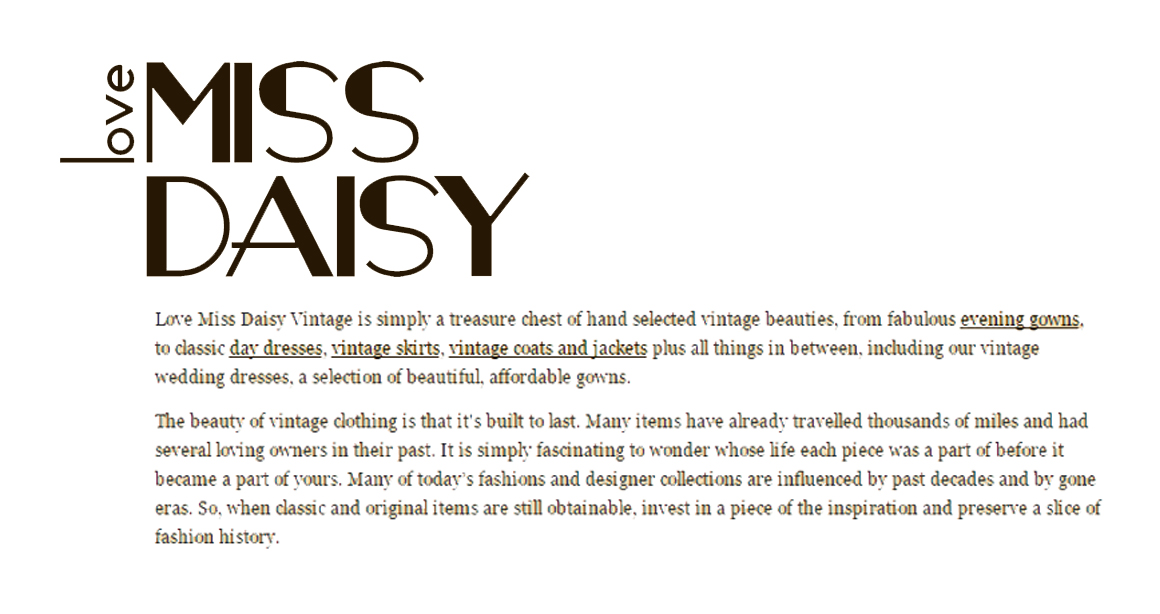
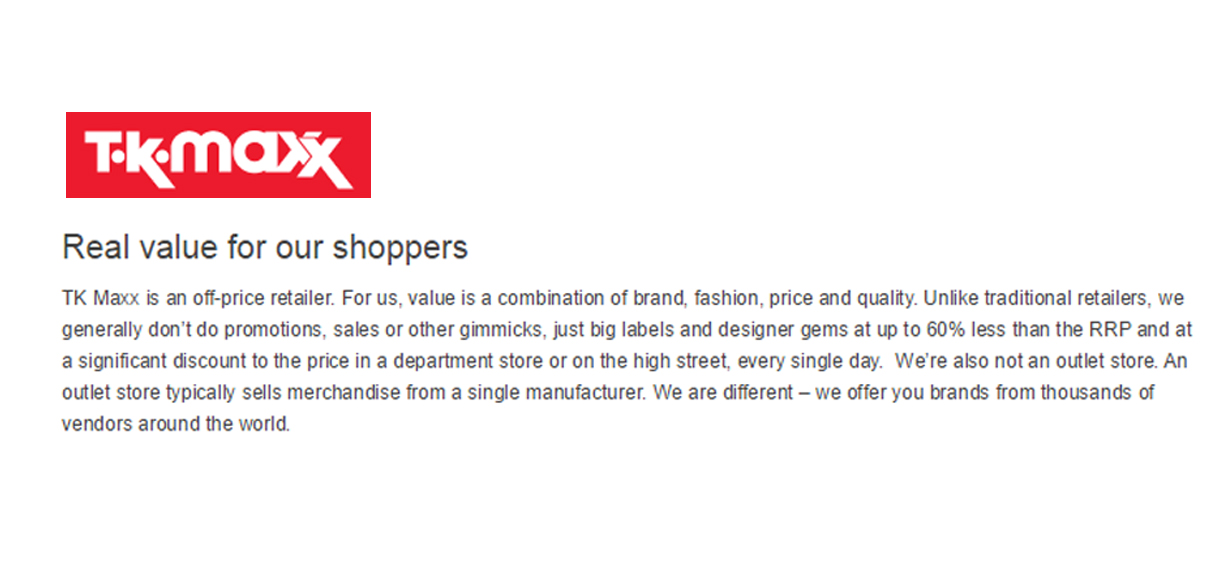
    Here’s an example that might help illustrate what I mean by voice and emotion. Here are three texts by online clothing retailers. They all come from About Us pages; they all have in mind a pretty similar customer, probably female, very possibly young; they’re all trying to sell the same product, essentially. And yet notice how nuanced they are, and how different it feels to read each of them. BooHoo is cool, young, quick-paced; Love Miss Daisy is dreamy, romantic, highly atmospheric; and TK Maxx is straightforward, businesslike, practical.

    3 Questions to Ask Yourself (and Your Client) Before Writing Copy - nuschool 3 Questions to Ask Yourself (and Your Client) Before Writing Copy - nuschool 3 Questions to Ask Yourself (and Your Client) Before Writing Copy - nuschoolTo better get the hang of it, you can check out more marketing texts around you and try to break down what they do – and importantly, whether or not you think it’s working. And watch Mad Men if you haven’t been following it. Not for practice, it’s just an extremely good show.

    549baa1fd5f3fde76c24ea81_Brad-Frost.png
    Post by Tali Kord

    Tali is a freelance writer, editor and translator based in Tel Aviv. She has an MLitt in English from the University of St Andrews, Scotland. She has published op-ed pieces and articles in various magazines in the UK and Israel, and currently working on some pretty exciting projects, so keep your fingers crossed.


  2. Getting Paid As A Freelance Designer

    2 Comments

    As a freelancer, or small business owner, it’s extremely important to get paid as soon as possible because more than likely you don’t have a Scrooge McDuck money bin to help you out. Money can be a tricky subject, and for one reason or another getting paid as a freelancer on time is something that will always crop up, no matter who you work with.

    As a freelancer I’ve come across these obstacles myself and would like to share with you how I operate, and maybe you can share your own experience in return.

    Communication is key

    Right from the start, communication with your client is key to making sure everything runs smoothly.

    • Make sure you have a contract (signed by both parties) with a breakdown of how much and when each payment is to be made.
    • Always be up-front with pricing. Let your client know how much something will cost before you actually do it, even maintenance work for existing clients.
    • If contracting on hourly/daily basis, keep track of what you worked on that day. You never know when you might need it as back up.

    Always get a deposit

    You haven’t got a sale until money has exchanged hands. Once money is exchanged, both parties will take the project more seriously, and are now devoted.

    Being self-employed you’ll struggle to wait until to end of a project to get paid, as in the mean time you have bills to pay and a life to live. Getting paid in stages and asking for an up-front deposit should be no problem to any genuine client.

    I will usually ask for either a 50% or a 33% up-front deposit, depending on the size of the project. If 33% then there will be a second payment due mid-way through the project.

    Payment on receipt of invoice

    Generally in the world of business, you will usually have 30 days to pay an invoice. Some businesses might even allow 90 days, depending on how much money is involved. But again, being self-employed, 30 days is a long time to wait for the money you’ve been working so hard for.

    I ask for payment on receipt of invoice i.e. right away. And in my mind I hope to receive the money within 2 weeks. Of course that’s not always the case.

    Send reminders

    Even good clients will forget; they have other things to do, other bills to pay and like everyone they will forget.

    If after 2 weeks you have not heard from them or have not received payment, send a friendly reminder. And be sure to re-attach the invoice for convenience. If after 3 weeks you have received nothing, send another reminder and perhaps follow up with a phone call. If it gets to over 1 month with no payment, this is when you start to worry.

    Method of payment

    Again, be sure to include your preferred method of payment in your contract so there are no surprises.

    PayPal

    The beauty of PayPal is that it’s handy, and it’s instant (unless sending an eCheck). Also, a lot of online invoicing systems already integrate with PayPal, again upping the handiness factor.

    The problem with PayPal is that they take a cut. A cut of between 3.5% and 4%. Soif you’re getting paid £1,000, it’ll cost you roughly £40 getting paid with PayPal.

    I tend to use PayPal for smaller amounts from remote clients.

    Cheque

    The good thing about a cheque is it won’t cost you anything (except maybe 20p for lodging into a business account).

    However, if you’re getting paid internationally this can cause a problem as it can take forever to lodge your money (even up to 60 days as I once learned after receiving a cheque in U.S. Dollars). You also have to wait that little bit longer for it to arrive in the post, and you have to make the extra effort to go down to your local bank (all this time adds up).

    I usually accept cheques from local clients.

    Bank transfer

    For me bank transfer is the best method of payment. I pass on my bank details to a client and they do a transfer. Usually takes 1 or 2 days, depending on local/international transfer. If your client has online banking it should be handy for them to make the payment also.

    A bank transfer will usually cost for both sending and receiving. The cost varies from bank to bank, and depends on local or international payments, although I’ve found it pretty reasonable (e.g. it will cost me £6 to receive a transfer from an American bank).

    Bank transfer is the typical method I use for larger amounts from remote clients.

    PayMe-728x90

    Accounting

    When I first started freelancing, I setup a business account separate from my personal account. I find this a very useful way for organising and keeping track of money, as I don’t really think of the business account as ‘my’ money.

    Whenever payment comes in, I transfer two thirds of that payment into my personal account (both accounts are at the same bank so this doesn’t cost anything). I keep one third in the business account to cover tax, national insurance and business expenses.

    When things go wrong

    If you’re unable to get paid, the last resort is some sort of legal action. Thankfully I am inexperienced in this area. To date I’ve been able to get paid with no major problems. If you work with good people and use the tips above, hopefully you can avoid this too.

    I’m sure there are some people out there with horror stories so please share and let us know how you dealt with the problem.

    Editor’s note: Go ahead and download the most comprehensive guide on how to get paid, written by the nuSchool: “Pay Me! Or Else…”

    549baa1fd5f3fde76c24ea81_Brad-Frost.png
    Post by Lee Munroe

    Lee Munroe is a Product Designer in San Francisco, leading design for Mailgun by Rackspace.

  3. Common Freelance Mistakes

    3 Comments

    I want to share with you the biggest mistake I think I made starting out as a freelance designer. I didn’t correctly position myself in the market. Based on the inquiries that I get every week, I’m going to bet that you too are making the same mistake. It’s okay, there are mistakes freelancers make. I’m excited to help. Here’s my story.

    My Experience

    When I started off freelancing I was focused more on trying to make as much money as I could by providing a vast array of services to every potential client that came my way. I figured that if my portfolio showcased all of the skills I could offer (some I was good at, while others I had no business offering) any client that visited my website would want to hire me.

    Doing this meant I’d also win more projects which meant more clients; and more clients meant more money. I was confident in the quality of my work and assumed it would easily set me apart from my competition. By competition, I’m talking about any logo designer or web designer in the entire world.

    My target audience was anyone who was looking for a logo design and/or website. Sound familiar?

    For whatever reason most freelancers do the same thing. We cast a wide net in hopes we’ll land tons of great projects. The bigger the net we cast the better our odds are at getting projects, right?

    Well if you’ve ever watched the show Deadliest Catch on the Discover Channel you’ll know that this technique is not the best way to fill the pipeline consistently or with quality. You’re simply playing the odds.

    Based on my experience, here’s what I’ve found by casting a large net. If you’re a great designer, you’ll have a ton of inquires, many of which you won’t find rewarding or able to pay your going rate. If you’re a good designer, you’ll land some projects and make some decent money.

    However, if you’re not very good, you’ll sink to the bottom of the talent pool and question your skills, the market and the industry as a whole. The same can be said if you’re looking to get hired as a designer at a design studio.

    You’ll wonder why you’re not getting any call backs after emailing your résumé and portfolio out to hundreds of companies.

    I hope you don’t take that as me being mean. The fact is we’re in a very competitive landscape where if a client or company wants to hire a really great designer, they have a nice pick of who they can hire at any given time or rate. Simply being better than the next designer isn’t good enough anymore.

    These days you need more to differentiate yourself. You need to be purposeful with your positioning and know what makes you valuable beyond the normal qualities.

    It took me a while to realize that this was the difference in me making some side money as a freelancer and me making a living as a freelancer.

    However, once I found my specific targeted niche, discovered what really made me valuable to them, and then made the shift, I immediately started to see huge benefits not just in my pipeline, but most importantly with the income I was making and the solutions I was creating as a freelancer.

    These results are why I decided to make my first ever workshop focus entirely on this topic of positioning yourself as a freelancer. I believe it’s the core problem many freelancers and small agencies face, and only once that’s cleaned up can we talk about the techniques to selling larger projects and managing clients and growing your business.

    Something to Think About

    If you find that you’re not really getting noticed as a freelancer or a designer who’s searching for new opportunities take a look at your portfolio and position. Does it sound and look like everyone else’s? Often times (maybe subconsciously) we focus too much on designing a portfolio and website that highlights how great our skill set is.

    Sure, clients like to see that we’re good at our craft, but it’s not entirely what motivates them to buy. I believe we design our sites like this because we’re trying to flex our design muscles to our peers.

    Hey, I’d be lying if I said I didn’t care about how my peers viewed me as a designer. I know the portfolio is the first place they’ll look, but I’m also aware that clients care about different things. And at the end of the day it’s the clients who pay my bills.

    549baa1fd5f3fde76c24ea81_Brad-Frost.png
    Post by Dennis Field

    Dennis is a designer, educator and the founder of a web consulting studio. He currently spends his day as a Product Evangelist at InVision. When not helping them, he helps designers reach their goals by sharing his own experiences with them through his blog, newsletter, book and one-on-one consultations.

  4. Freelancers: Why you need a contract for every project

    3 Comments

    Are you starting a new client project soon? Stop what you’re doing right now and go make a contract for that project before you do anything else.

    As a designer, it can be easy to jump past the initial stages of a client project and get right to designing. Usually, you’re excited about getting to work and getting all the ideas running through your head down on paper. But rushing to get projects started can come back to haunt you, especially if you don’t have a good framework to go by.

    If you’re doing any kind of client work, you need a contract before you get started.

    Now, I’m sure you’ve heard that before. But we’ve talked to way too many freelancers who go into projects with no contract or written agreement. No matter how boring and complicated contracts may seem, they can save you a lot of headaches and keep you in business.

    A contract isn’t just some kind of formality that keeps you from getting to work. Here are just some of the many important reasons writing a contract should be high on your priority list:

    Protect yourself with a written record

    Projects often change even after they’re started. Most of the time, the timeline, scope or another big piece of the project will need to be changed for one reason or another. If you’ve covered how to change these things in a written agreement beforehand, they won’t cause a problem.

    If you’ve got nothing written down, though, you could end up doing more work than you’re getting paid for. Having a contract lets you keep a record that says exactly what your client agreed to — a certain number of revisions, the process after an approval, when exactly they need to pay you and other pieces of the project that can become a big problem down the line.

    Make sure you get paid on time

    We’ve talked to a lot of freelancers, and we hear a lot of horror stories about them being paid extremely late or less than they should. Does this sound familiar?

    An easy way to make sure this doesn’t happen to you (or happen to you again) is to make the payment schedule and amount clear from the beginning, in a contract. This way, the client signs off on agreeing to pay you that amount at that time, and it’s legally binding (just in case). Here are some common ways to structure your payment schedule:

    – Half up front, half when the project is finished

    – 1/3 up front, 1/3 upon completion of a certain milestone (usually halfway through the project), 1/3 when the project is finished

    – Full payment due when project is finished

    There are plenty of other ways to lay out a payment schedule, such as invoicing monthly for your hours (this usually works well for long-term projects), but none are necessarily better or worse than the others. You need to use the one that works best for you and your project.

    Whichever method you choose to use, make sure to put it in your contract. This way, the client can follow the payment schedule they signed off on and not have to figure out how to pay you when the time comes.

    PayMe-728x90

    Boost your credibility

    Though the sentiment has gotten better, many people outside the design world don’t understand the value of good design. They don’t know how design works and often have misconceptions about designers and creative professionals.

    One way to establish right away that your freelance business is professional is by starting the project off with a contract. This shows your client that you mean business and starts the project off on the right foot.

    Avoid the “What now?” question

    As you probably know, many, many things can happen over the course of a project. Often, things happen that you wouldn’t have predicted, like cancellations, additional work, crazy requests and changes to the timeline, among other things. When something like this happens and changes the direction of a project, it leave you and your client asking the question, “What now?”

    You’re then stuck navigating through uncharted waters, not sure what exactly to do next. One way to avoid this is by having your clients sign contracts before you start on projects that cover what you will do when one of these situations occurs. You can feel a lot better about projects knowing you’ve got a contingency plan.

    In general, contracts start your projects off on the right foot and protect you throughout the project, no matter what happens. Contracts make sure that even if you wind up being up the creek, you’ll have a paddle.

    549baa1fd5f3fde76c24ea81_Brad-Frost.png
    Post by Austin Price

    Austin Price is the CDO and co-founder at Krit.it

  5. Leave a Comment

    How do you start freelancing? It’s easy. Learn your profession, find those clients and charge them for that service! There is a slight chance you’ll face some obstacles. One of them is really tiny, not too big of a deal..

    It is the fact that it is FREAKING SCARY. The number one issue I have faced before even trying to start was lack of confidence. Lack of confidence with the quality of my work, my ability to manage myself, handling money and the list goes on.

    Starting freelance is scary, thus confidence is the key to success - nuschool

    I believe that 50% of our success is learning the job and how to set our game plan right. The other 50% is pure psychology. It is facing the challenge of keeping ourselves from stopping ourselves. Every morning. Right past lunch break. At the end of the day. If we let worry and fear paralyze us, our chances of moving forward are pretty small.

    Lately I found myself freaking out on a daily basis. But I also noticed that my stress and ways of overcoming it repeatably fell on the same categories. Those are my top 3 causes that had me feeling insecure as a beginning freelancer. This is how I learned to identify them, and move forward!

    Lack of information

    I recently got an offer that was very exciting for me. In order for it to happen I was asked to sign some legal agreements. Instead of feeling super happy about it like I should, I panicked. I didn’t understand any of these contracts, and how things usually work. After a few good days of me getting the right people on the phone to ask what I needed to know, I felt relaxed.

    At first I thought that my stress was a sign of my incapability of handling stuff but then I realized that it was simply lack of information. I was asked to agree to something without  fully understanding what I’m agreeing to. It is stressing. The information I needed filled in the blank spaces, gained back my sense of control over the situation and helped me make clear decisions.

    Most of the time, the fear that holds us back while facing a new task is the fact that we don’t know from advance how it’s actually done and we have never experienced it before.

    Therefore, it doesn’t feel safe. It goes to any process you make while managing yourself. Starting from how you price your offers, facing technical issues with your projects, handling money, or knowing your rights when facing a conflict or a negotiation. Information is power.

    Know that, and know that everything and anything you need to know in this world is a Google search away. If Google won’t help, there are humans out there with emails and phones you can reach out for and just ask. Let it be your friends, or their friends, or in my case, even past professors from school.

    How to build confidence as a starting freelancer - nuschool

    I even walked to my bank, and sat down with the person who takes care of my account. For an hour I asked her everything about those new bank fees I met when I was starting to receive transfers from clients abroad. If I wouldn’t put the time and energy dealing with this information I could find myself losing a large sum of money that would add up. Don’t be shy to ask questions. It is not a sign of weakness, to me it is a sign of a person who takes herself and her business seriously.

    Research is hard work and takes a lot of time of it’s own. But it has a major value to your progress. When I face  a new challenge, I don’t panic anymore. I know that  “getting the information” is a normal part of the process of solving it. With the next step you want to take, write down the list of questions you need answered, to feel at ease about it. Now google it like you mean it, or find the right person to ask!

    I don’t feel like I’m good enough to get payed

    Bullshit! Your amazing! But I can understand why you find it hard to believe. Specially if you’re still training, or generally don’t feel experienced enough. The answer to this is, well, experience.

    If you’re too scared to start charging like I used to, it is ok to start with a little free/cheap work. BUT, my advice is, if you feel like you need this practice phase, avoid by all means doing it for an operating business and do it for close friends and family.

    If you are giving yourself away, it is best if you do this for the people you really care about. Moreover, you will still gain a true learning experience. Lately I discovered that clients who are paying a lot or not paying at all, will still act like clients. When it comes to handling with another person who you’re creating stuff for, your close friends and siblings will have demands and regression just like a big manager of some firm.

    By branding my sisters new decorations business and making my best friends her business card, I learned a lot about creating work which is not for myself only. Plus, getting feedback for my work from various people outside of design school, helped me put things in a better perspective when it comes to criticizing my own work.

    If you don't feel experienced enough work for your close friends and family to gain experience

    Been stuck in the cheap zone for a while now? There is no doubt, even after practicing around, charging your first project for a fee you find reasonable, will be scary.

    Once you do go for it (So proud of you!), and for any reason the client won’t be super happy with the results or your performance, here is what I can 100% guarantee WON’T happen:

    Your client will get so pissed off he will make sure that all clients of the world know your name and that they will never ever work with you. Because you F***ked up, your client will make sure NO ONE will give you a chance ever again.

    If you’re still single, he’ll make sure no one agrees to date you. Why would they? You did such a horrible job, therefore, you must be a horrible person, a complete failure and not cool. You will end up broke and lonely for the rest of your life living inside a hollow tree. The squirrels will laugh at you every day (Think Alvin from the chipmunks as you read this one) -” You’re unworthy of success, unworthy of love and you suck!”

    Actually it might happen, if your client is rich enough to afford all of this campaign against you. If any of you learned statistics I would be delighted if you share in the comments down below some math of this being possible. At least the squirrel part can’t happen. Squirrels can’t talk.

    Our dark side is mean. Mine likes to picture funny animals laughing at me. When we fear something, our dark side sees it as party time in our head. All thoughts and source of stress in our life are invited to dance all together, and make us overstress a situation.

    Once you really examine them (writing them down is a great technique) it is easier to see how unreal they are. From there it’s way easier not to believe any of it. Fear not friends, you know you have what it takes and you are good enough. If you do make some mistakes, it is not REALLY the end of the world.

    Financial stress

    Here is the reality I was explained numerous times by fellow colleagues, and been experiencing myself. From the minute you decide to start freelancing, until you’ll actually see any money, it will take time. Until you’ll find yourself fully supporting yourself from your business alone , it will take a lot of time.

    I know I’m not quite there yet. And that’s ok. It takes time completing projects, gathering clients, figuring out how to manage pricing and charging. It’s a process.

    Lack of financial stability is a huge cause of stress. It’ll often affect our day to day decision making, often forcing us to make bad ones because “we have no choice”.

    We always have a choice. When facing a complicated reality, sometimes good choices take sacrifice. In order to handle the uncertain, one must choose to be conscious. Financially conscious.

    Know that you’ll need to create yourself a situation that will make you feel safe about your money. Maybe you decide to stick to a day job and spend more energy handling both a job and your dream. Maybe you decide to wait with your dream and gather some savings before getting started.  Where are you going to live? How will you pay the rent? Are you at all right now living within your means?

    After recently graduating this year, I got back at my parents in my home town.

    I had some money I made during my summer job as a tour guide. I knew I wanted to freelance right away and not spend a day trying to find a day job as a designer. I also really want to live on my own. I knew that all of my wishes combined will be challenged by reality. Either someone else will pay the rent for my own flat, or I start making some sacrifices.

    I decided I’m staying for one year only at my parents place. I will be a good girl, clean up the dishes and be nice to mom and dad. In the meanwhile, I’m dedicating my entire time to my goals and business, while feeling safe to make all the mistakes along the way in order to get there- being able to move out by the time of my deadline, hopefully.

    Lets put it out there – graduating at 28 and living with mom and dad doesn’t make me feel too cool. I could choose trying to move out right away . But I just finished a 4 year marathon of school filled with constant stress causing me clinical depression and anxiety I recently recovered from.

    Taking it easy and waiting this one extra year is more important to me than clinging to a social status I feel I suppose to have by a certain age. This is my own game plan based on my own priorities.

    I’m not saying everyone should live with their parents, quit or not quit their job, if they want to start freelancing.

    I’m saying that feeling financially secure is crucial to make better decisions so you actually make progress as a starting freelancer. In order to be there you should face your reality in it’s eyeballs, figure out your own real options, and from there choose what is best for you. Any choice you make will probably involve some sort of compromise , but if you’re aware of your priorities, that compromise will be worth it to you.

    Feeling financially secure is crucial to make better decisions as a starting freelancer - nuschool

    Don’t let your fears of the beginning bring you down. Every beginning is hard. Do realize that you don’t have to accept feeling helpless all the time, you have within yourself the solution to every worry you experience and it’s more simple than you think.

    549baa1fd5f3fde76c24ea81_Brad-Frost.png
    Post by Sivan Sa'ar

    Sivan is a freelance videographer based in Tel Aviv, with a passion for motion design, storytelling and stretching the boundaries of visual effects. She creates commercials, music videos and writes more about her freelance feelings on her blog Freelance Therapy.

  6. Writing Tips for Designers

    3 Comments

    Writing is an inevitable part of a designer’s day-to-day: preparing work proposals, composing lengthy official emails, creating copy for designs. Even though you first set out to develop a career in a visual field, soon enough you will discover that using that particular brain function is not enough, and will be forced to go literal (literally).

    Unfortunately, creating copy is not as easy as it looks (well, unfortunately for designers, at any rate. Definitely fortunately for us writers, who would have very little paying work if writing came easily to everyone.) But fear not, fellow creatives! I’m here to help with a couple of writing tips for getting those wordy juices flowing and the words out of your head and onto the page.

    If you’re in a rush

    If you’re in a rush and need it done now, what you might often find is that the more stressed you become, the less able you are to get into that writing flow. The key here is to get the fingers moving and once you’re in a writing state of mind, the rest will come easy (or easier, at least.)

    One thing I find helpful is to write around the topic. Jot down general, vague ideas. Write bullet points. Type in things you know about the product, or things you know your client will want to emphasize, or even buzzwords that might help you connect to the theme. Later these could end up in your copy or in the trash; that’s not important. What’s important is to start seeing the white page fill up with relevant text that can trigger that sought-after copy.

    If you’re not in a hurry

    If you’re not in a hurry, the best thing to do in my own experience is to let things simmer. Start rolling the general idea in your head when you’re calm and unstressed. What I usually do is find a way to distract that part of my brain that wants to be hyperactive all the time, so that the rest can get to work: I take a walk outside, or ride the bus and listen to some music (assuming I actually have somewhere to go, of course.)

    I even have a solution for when I’m stuck at home: mindless platform games. Sounds counterintuitive, I know, but here’s the thing – it’s only procrastination for the first couple of minutes while you still have to focus on the game to actually succeed in it. After a bit of practice it will become an afterthought, like how you don’t have to think about driving while you’re driving. Mind you: the stupider, the better. A simple, idiotic game like Icy Tower can help you come up with amazing insights and do some real deep thinking.

    PayMe-728x90

    Get to that critical tipping point

    Once you start rolling ideas you’ll see more and more will come to you. Eventually you will get to that critical mass of thoughts, where you simply can’t stand to keep it in your head anymore. Your whole body will want to just get it out on the page and clear the mind for the next idea to begin formulating. Don’t worry about writing it perfectly, just write it down! Get your flow on and don’t stop until you’re absolutely done getting it all out on the page.

    Walk away. Do something else.

    Immediate editing is no good; if you can spare the time, you should – perspective needs it. Work on something else for a couple of hours, even put it off for a day or two if you can afford to. That will give you the opportunity to look at the text with a fresh look.

    Edit, edit, edit.

    Now comes the part that takes your words from good to great. Cut out everything that’s unnecessary. Lengthy copy is rarely effective. Play with the jargon, with your word choice, with your sentence structure. Don’t be afraid to try something weird – it might grow on you.

    Your current task is to peel off the nonsense and bring out the excellent copy that’s hiding in the page. You can try showing it to someone else if you feel it might help, but be careful – too much advice can be confusing, and after all, this is your vision (and your work being judged by the client.)

    And finally, if all else fails and you just need a break, William Safire’s fumblerules of grammar are always an inspiration.

    Good luck!


    549baa1fd5f3fde76c24ea81_Brad-Frost.png
    Post by Tali Kord

    Tali is a freelance writer, editor and translator based in Tel Aviv. She has an MLitt in English from the University of St Andrews, Scotland. She has published op-ed pieces and articles in various magazines in the UK and Israel, and currently working on some pretty exciting projects, so keep your fingers crossed.

  7. How to Stay Productive as a Remote Worker (Without Missing Out on Traveling)

    1 Comment

    Most posts about productivity as a remote worker read like a how-to on turning your home into a cubicle: keep business hours, dress for work, create a “work area.”

    I take issue with advice like this, because it seems to point to the idea that the only way you can be as productive from home as you are from the office is if you … turn your home into an office.

    Of course, I’m not arguing that everyone should change into pajama pants and lay out on the couch with a laptop1 at all times. Distractions abound for telecommuters, and we’re not afforded the luxury (?) of a manager checking if we’re on task — we have to do that ourselves.

    So how do we, the Remote Workers of the World, make sure not to fuck up the cause and stay more productive than our cubicled counterparts?

    I’ve tested dozens of approaches over the years — I’ve been a remote worker for over a decade — and come up with a list of traits that are common on my most productive days.

    More recently I’ve been stress testing these practices: in January of this year, I sold everything I own to see how far digital nomadism can go.

    As a result of following these practices, I’m working fewer hours overall, with higher productivity than my 2014 averages.

    These strategies aren’t exactly a peer-reviewed study, but they work for me. And I bet — if you give ’em a shot — they’ll work for you, too.

    1. Start with a Thorough Plan to Eliminate Wasted Time

    Okay, okay — this isn’t exactly a remote working tip. But out of everything I’ve tried to boost my productivity, making sure there’s a clear understanding of the outcome is the single most important factor in what gets done on time, and what goes over budget (or doesn’t get done at all).

    If you want to work effectively, you need to create a solid plan for every project.

    With a solid plan, you can hit the ground running, and know you can keep running without interruptions.

    Real-Life Ideas for Putting Planning into Practice

    Start with a Shitty First Draft. A lo-fi prototype will help you refine the outcome before you’ve spent hours on design or development.

    Start an article by writing all the headings. By breaking an idea into headlines, you not only make your job easier — just fill in the blanks — but you can quickly tell if a topic is too big and needs simplification, or if it’s too small and needs a broader approach.

    Create a todo list from your email. If I go into my email to look for something, I end up reading new messages and losing my train of thought. To combat this, I now make an email todo list: I go through all my emails and compile tasks first — once that’s done I can work without opening my email again.

    2. Group Tasks by Context for Better Focus

    There’s a widely-referenced idea from Gerald Weinberg’s Quality Software Management: Systems Thinking that claims a 20% loss in productive time for every project you have to switch between during a day.

    how-to-stay-productive-as-a-remote-worker

    This isn’t just true of projects; it’s true of different types of work — communication, design, and development are all entirely separate contexts for working.

    When I’m coding, I have to build a mental model before I can start actually writing code. The same is true of writing, design, and any other mentally demanding project: there’s a ramp-up period before I can actually start working. After an interruption, the ramp-up starts again — at least an abbreviated version of it — before I can get back into the flow.

    That lost time shaves precious seconds off my ability to hunt for the best gelato in Milan, so it’s in my interest to avoid those interruptions.

    Multitasking is a big, fat lie.

    Real-Life Ideas for Managing Context-Switching in Practice

    Choose days to only work on your biggest project. Don’t even open your email.2 Stay off social media sites — use an app to force yourself if necessary. Give the project your full attention, and know that you have a plan to handle everything else the following day.

    Turn off all notifications. My phone only makes noise when it rings. I don’t get push notifications from anything except my calendar. I don’t get badges for unread emails or Facebook notifications I have. I don’t need the anxiety of knowing that there’s something I haven’t read yet. Instead, I focus on what I’m doing, finish it, and then check email and social media when I’m not in the middle of something else.

    Create blocks of working time. Dan Sullivan recommends grouping tasks into context-specific days. The Pomodoro Technique recommends short, focused intervals. I tend to fall between two- and four-hour blocks, depending on what I’m working on.

    3. Take (Real) Breaks to Boost Your Mental Energy

    When it’s time to take a break from work, it’s important to stop working. No phone, no email, no computer. Go somewhere and sit with a cup of coffee for 15 minutes and enjoy it.

    Let your mind wander for a bit and I guaran-goddamn-tee you’ll come back refreshed and ready to get shit done. Much more so than if you were to check your email from your phone on the way to the coffee shop and return immediately to your desk with a paper cup.

    Real-World Ideas for Taking Breaks

    Follow the Italian example. I got weird looks when I asked for coffee to go in Italy; “coffee to go” is just not part of their culture. Instead, Italians drink their coffee on the spot — often standing up at the counter — no matter how busy they are. Take a break by sitting down at a café and sipping your coffee slowly. The 15 minutes you spend away from your work is survivable, and the mental breather will help you fight burnout and stress.

    Go for a walk. And don’t do the text-and-walk like a jerk. Actually walk. Going outside has positive effects on your mood, too. And that’s not just hippie bullshit: the chemicals we breathe in while walking in a forest or a fresh-cut lawn have proven to prevent stress damage to the hippocampus — it’s so effective that scientists made a perfume that smells like mowed grass to cheer people up3.

    Actually enjoy your meals. There’s this game — maybe you’ve heard of it — where friends meet for a meal and all put their phones face-down on the table, and the first person to touch their phone buys the meal. I highly recommend you make that game the rule in your life. Even when you eat alone, try to leave your phone untouched.

    4. Plan Days to Leave the Computer Alone

    You want to be really productive? Then put your computer away and leave it. All day. No, I’m serious.

    There’s nothing worse for productivity than dreaming about the things you’d rather be doing than working. And when you’re traveling, you need to go out and do things — otherwise, what’s the point of traveling?

    In Barcelona, I wanted to have a coffee and breakfast, walk to the Picasso museum, explore the surrounding El Born area, drop in for afternoon vermouth, and have dinner at one of the Adriá Brothers’ restaurants.

    I took the whole day off. I didn’t open my laptop or check my email, and I explored Barcelona. The next day I was chomping at the bit to tackle my to-do list.

    Had I tried to fit work into my exploration, I would have most likely ended up either spoiling my day worrying about the time, or stayed up too late doing subpar work.

    By choosing one day for adventure and other days for work, I’m able to enjoy the world around me guilt-free, and work the next day without feeling like I’m missing out.

    Real-World Ideas for Disconnecting

    Challenge yourself to a “No Technology” day. I dare you. I double dare you. Take a full day to just be with the people around you, experience the real world, and remember that there was a time not so long ago where it was pretty fucking weird to spend all day staring at the palm of your hand.

    Be a tourist. (Even in your home town.) Give yourself a full day to go experience your city. If you’re traveling, go do some sightseeing. If you’re at home, go hit up the things that make your city famous that you’ve never seen, or that you haven’t seen in a long time.

    Take a day for offline errands. Do laundry. Go get your hair cut. Go to the post office. If you’re anything like me, this stuff all piles up. If you try to fit in errands between working, you’ll end up exhausted; remove work from the equation and it’s a little more manageable. Relaxing, even.4

    Remote Working Is About Balance

    You’re good at your job. That’s why you do it. That’s why you’re able to do it without going to an office every day.

    But if you’re spending every waking hour working, then what good is the freedom of working from home?

    By creating a plan, grouping tasks by context, taking breaks, and giving yourself full days off, you can be incredibly productive while spending less time working overall.

    I’ve used this strategy to successfully drop my working time to 4–6 hours a day, while finding time to take lots of Instagram photos as I wander around Europe. And if I can do this, you can do this — in 2014 I was putting in 70–90 hour workweeks.

    Do you have any tips for staying productive at home? As long as you’re not going to tell me to wear pants, I’d love to hear them: shoot me a tweet and we can debate the finer points of pajama fashion.


    1. Full disclosure: I’m wearing pajama pants on the couch as I write this. 
    2. “Easy for you to say,” you scoff. Yeah. I said that at first, too. And then I planned a day not to check my email. And the Earth remained in orbit; no disturbances were felt in the Force; none of my clients fired me — in fact, none of them even noticed. So I made No Distraction Days a weekly occurrence. Now I only check email on Tuesdays and Thursdays, and I’ve set up an autoresponder letting people know it. I have more time, and not a single complaint. You can live without checking your fucking email. 
    3. Going outside actually has a lot of less ridiculous-sounding science behind it. Studies suggest going outside will promote meditative states, relieve mental fatigue, and boost your creativity
    4. I may be reaching here. But, hey, it gets you off the computer and lets your mind recharge. That’s important. 
    549baa1fd5f3fde76c24ea81_Brad-Frost.png
    Post by Jason Lengstorf

    Jason Lengstorf is an international man of development and a speaker at Future of Web Design London. Do not miss Jason's full-day workshop Supercharge Your Front-end Workflow at Future of Web Design London on April 27.

  8. Learn from bad clients

    3 Comments

    I want to write my experiences and lessons from a recent logo design project I took on, which unfortunately did not go as well as I would have hoped.

    I still have a good relationship with this client, and although a final design was selected and full payment was made, I am aware that unfortunately they will continue to revise and modify the logo to their ‘own’ taste.

    This blog post hasn’t been written as a personal attack on my client (who I will not name), but as a way to show the ongoing efforts I make to improve my processes and service.

    I also hope by telling of my experiences it will also help other designers and creatives who may one day fall into a similar situation.

    Starting the project

    At the start of every identity design project, as per my project process, I create a list of objectives based on collated information, which forms a brief for the project.

    This list of objectives is agreed with the client before any designs are created, as my design decisions and choices will be made based on this list. Upon presentation of the designs I will also explain how each design meets these goals, and recommend which design I believe is most suitable.

    With this particular project the client was quite specific with the type of designs they wanted me to explore for them, and these requirements were included within the brief.

    The client gave a new requirement

    Upon presenting the designs, the client liked what I created for them, however explained that they expected an icon to be included as part of the word-mark, and sent over a specific example of what they wanted this to be. This wasn’t something that was ever discussed previously, and didn’t even relate with the type of designs they wanted me to initially explore for them, as per the objectives created.

    Looking back now, I know I should have raised this with them, and re-evaluated the project brief, however the client was so specific in what they wanted that I put a revised design together for them, which was a combination of a concept I had created, with the addition of a new icon.

    Once I was happy I had a design I felt was unique, memorable, simple and appropriate, I presented the revised design to them.

    Despite the explanation of my design decisions, the client requested further modifications to be made.

    As part of my process I allow unlimited modifications to a chosen design. This is because I believe that if a client pays for a design, they should love what they eventually receive.

    I also do this as I work towards a list of objectives, and believe that the client can add their own valuable input to create a design that will attract their target audience, and better reflect their business. I believe this also results in a better designed logo.

    The price of “unlimited modifications”

    Unfortunately, in this case my honesty and attitude was abused.

    With each revision made, the client requested further changes. The client even at one point sent over their own revisions, and even though I made the changes to their exact specifications, they didn’t like the change and wanted to see further versions.

    Ultimately, after hours of work, I was loosing time and money on this project, therefor I needed to inform the client that this round of revisions would need to be the last, and any further modifications will require a small hourly fee.

    The client did not argue this in any way, and understood the reasons, but was not prepared to invest any further into the design.

    The client agreed that once this revision was made, they would make the final payment, and would revise the design themselves to their own tastes. I still believe this was a bad decision, but I need to respect the clients request.

    Despite the additional work and time I needed to put into the project, I decided I would present the client with 2 options. I shown a revised version based on their requirements, along with the version I will present within my logo design portfolio.

    With this second version I wrote a supporting document. This document contained my design decisions; both from technical point of view, as well as a creative point of view. Despite my efforts, the client selected their version, and disregarded my opinions.

    Suddenly the client started to demand files to be sent by a specific date, which was never agreed or discussed at any point. I was also informed that emails were not being received.

    It was very bizarre as the client actually replied to emails they claimed they didn’t receive… Maybe I am being naive, but I believe that the client genuinely did not ‘see’ the emails, but I am confident they did receive them regardless. I understand what it’s like to be busy, so I know emails can be missed, but to be honest… it was frustrating, and was wasting further time.

    Happy end? Not really…

    The client eventually made final payment, and was extremely happy with the final design. I do however wait to see how my design is used, and what design decisions the client will make. I hope they will make good design decisions, and don’t ruin the work I did for them, however since their website is quite horrific, I do have great concerns…

    I have come to the conclusion that there are ultimately two types of clients. Those that want a designer, and have respect for the knowledge, skill and education, and then there are those who just want someone to create their vision, and couldn’t care less about the designers opinions.

    Luckily almost all of my clients respect my opinions, and I also respect theirs too. We have a good working relationship, and this collaboration ultimately results in great design work.

    Those that however disrespect a designers opinion are ‘impossible’ to work for, make you doubt your opinion, design skills, and make you feel physically and mentally drained. These are the type of people I want to avoid in the future.

    I am making changes to my processes from this day on, both in an attempt to avoid clients like this, but to also avoid being used and abused by clients in this way.

    What logo design processes have I changed?

    I have made a number of changes to my design processes to avoid the wrong type of client. This is a summary of what I have done:

    1. Getting more details before starting the work

    Detailed information is required before payment is made using a new enquiry form. I hope by doing this it will flush out ‘time wasters’, and those who are not prepared to put the time in the to the project. Effort in = Effort out. If someone is a genuine client, and is serious about their business, they will spend the time to complete the information.

    2. Adjusting my rates to the client

    My pricing model has changed. Previously I had a single price to suit all. I have now revised this so that the price will vary based on requirements and expectations. This does also mean my prices have been increased, but I have done this as an attempt to flush out the bad clients, and attract business owners who are serious about their brand identity, and understand the value of good design work.

    3. Limiting the design time to protect from abuse

    Unlimited changes have been quantified within the initial quotation. Although ‘unlimited’ changes can be made, I have capped the design time within the project price. This time allows for several revision rounds if needed. If the client does want further amendments, there is a small hourly fee.

    This ultimately protects me from abuse, and protects me should a legal situation arise. A reasonable client should never need to pay more, and I will never use this as an excuse to get more money out of a client.

    4. A managed list of objections, well-documented

    When objectives are created, I will make it very clear that this list will become the brief I will work from. I will also request this to be signed and dated by the client. If anything is raised after this point that changes the direction of the project, there will be a fee to re-evaluate the list and for any further designs needed.

    This list is after all my way of ensuring precise goals are met, and is to also help the client make the right choice for their business.

    Conclusion

    I honestly don’t think there are such a thing as bad clients, but instead ‘wrong’ clients.

    I don’t think this client was bad, but I do believe they selected the wrong service for their requirements and expectations. I believe this client wanted an art-worker, and not a designer. Someone who could create their vision for them.

    I have learned a lot from the experience, and hope by telling this story it will also help other designers to protect themselves from similar problems.

    Have you had a similar experience? Do you have any useful advice to share? Add your story to the comments section below.

    549baa1fd5f3fde76c24ea81_Brad-Frost.png
    Post by Ian Paget

    Ian Paget is a graphic designer from Reading, UK. In his day job he works as creative director for an eCommercy agency. With a love of branding and logo design, in his free time he runs Logo Geek, designing logos & identities for SMEs around the world.

  9. How I Found My First Paying Client

    2 Comments

    Where can a single young freelancer find a handsome client with a decent budget to pay her for a design?

    It’s a tough world out there.

    Online dating sites are just terrible. So are those massive online job-hunting platforms. They give us the illusion that there are tons of options out there for us.

    The Journey to Finding My First Client - nuschool

    I’m not saying there aren’t any decent clients on those sites; the problem is that they are hiding between options that are not promising at all. Most of them are not too serious – people who only want to get  a cheap design and treat you like yesterday’s profile once they find a designer who will work for less.

    So where can I find potential clients?

    They say that having connections is key. When you’re just starting out, you don’t really know too many people. You might have a few friends who work in the industry but you can’t rely on them alone to bring you your next opportunity tomorrow morning.

    You already have your portfolio live and shining on the internet. You even posted a link to it on your Facebook wall, letting everyone know you enjoy long walks on the beach and are available for work. Still, nothing seems to be happening. Sitting and staring at your inbox won’t make messages pop any faster. Trust me, I tried it for days.

    How can you get things moving and get offers when starting from scratch? Here is what I learned from my own journey finding my first client.

    Let everyone know you’re up and running

    Which you are. Just because you don’t have a paying client at the moment doesn’t mean you don’t have any work. Working on side projects of your own, researching the software you work with, educating yourself about freelancing in general, improving your skills – I consider all of this to be work.

    From the first day you decide you’re going to go for it, you should see everyday as a working day. Your home desk is now your office and when you make your way from the bedroom to your study, this is your commute to work.

    Set goals and tasks every week, create a schedule and do the best you can to stick to it. By embracing that state of mind, you’ll be projecting it outward and you will appear more serious and professional without even noticing.

    Get social

    Social media is a good start, but it’s definitely not enough. To be honest, this is the laziest thing you can do to promote yourself.

    Tell your family and your friends in every gathering. Talk about your work. The fact that you’re working will stick to their minds better if they actually hear it from you rather than notice it on their newsfeed.

    Even if your friends and family have nothing to do with your industry, next time they will meet someone who is looking for services you provide, they will remember you. Many projects I’ve worked on came  from friends of friends who were looking for a design or a video for their product.

    Attend social gatherings, meet new people, spread the word – you’re available for work! It’s too easy to get caught up with work and forget to leave the house and socialize. You get tired and feel as if there are too many things to do which are far more important. The best way to create waves and make a change in your own pond is to throw in some tiny rocks every now and then.

    Meeting new people creates a huge chain reaction in your life. It only takes one person to lead to something – to lead to someone – to lead somewhere – to lead to that one opportunity you are seeking.

    The Journey to Finding My First Client - nuschool

    Stepping out of your shell every now and then is necessary to give your mind a break from the thoughts you accumulate by sitting by yourself at home, working. You don’t have to attend every party in town screaming you’re a designer.

    I feel OK with making sure I’m out at least twice a week either with friends or by myself. Day or night, doesn’t matter. If I manage to engage in some small talk with a single new person, I feel like I’ve done my share of networking for the day.

    Show real and genuine interest in the person in front of you. Really listen to what they have to say about themselves and their work. You will be:

    1. Meeting someone new, which by itself is amazing, even if you don’t get anything out of it, so to speak.
    2. Creating an opportunity for them to show interest in your work. At this point you can easily slip into the conversation something about what you do and even casually say, “sure I have a portfolio! I would love to show you my work, I’ll send you link”.

    Later that evening – once you guys are Facebook friends for life – send them a message. “Hey, it was nice meeting you today, wasn’t that concert awesome?? This is my website by the way.”

    Done. You have no idea when this might come in handy. Lately I’ve been getting offers through people I met in this way months ago.

    Talk to someone experienced

    I have a friend who graduated a year before me and has been freelancing since. I sat down with her and asked her how these things work. She encouraged me a lot, gave me tons of helpful advice and helped me figure out my next moves.

    Another friend introduced me via email to her friends who have their own business and work in my field. Once we were introduced, I emailed that person and asked to stop by their office so I can ask them some questions about how things works out there. I learned new and valuable information, and got to meet new contacts, which is even more powerful than just emailing them my portfolio and hoping something will just happen one day.

    Try to initiate a barter

    You need to meet some new people and add cool stuff to your portfolio. There are tons of potential projects around you. Maybe that funky restaurant around the corner inspired you with ideas for really cool menus, maybe some friends of friends have a band that can use some album art, a new logo or a cool design for their next concert poster.

    Problem is, if they wanted to invest their money in a design, they would have hired someone already. The chances of them wanting your services are pretty slim. So now what?

    You can offer to work for free. They will surely agree. But then they won’t appreciate it, you will feel used, those projects will take too much time and effort and you will lose interest in them really fast. Unless it’s for your mom and dad or a reaaally close friend, working for free is a bad idea.

    Instead, try to offer a trade:

    • A friend of mine took some photos for a juice bar and enjoyed one month’s worth of fancy muesli dishes for breakfast.
    • I edited some footage for my hairdresser and got my hair done 5 times in return. I felt like a real movie star getting my hair done so often :)

    The Journey to Finding My First Client - nuschool

    Make sure these projects have a workload proportionate to what you are receiving. That way both sides are giving and gaining something. By initiating this move you earn experience, meet more people, and most importantly, you are keeping yourself busy while working on bringing in the opportunities you are looking for.

    Moreover, taking initiative boosts your confidence and proves that you can always take action and shift stuff in your life without having to wait for things to happen.

    Some shit will inevitably hit the fan. Embrace it.

    My last barter attempt was an amazing learning experience.

    That’s because it was terrible. A total failure. I did every mistake possible.

    I wanted to edit a showreel of my videos and couldn’t find music that I can buy online that I liked. I decided to contact a musician, offer to design his CD covers, Facebook page and logo in return for him composing a cool track for my reel.

    It didn’t work. Today I know I agreed to give too much for too little. As it turns out, I also picked the wrong person. He didn’t quite follow through once I was done with his CD cover. He was very demanding in the process. So demanding, in fact, that he persuaded me to make more revisions on the day of my grandfather’s funeral, saying it’s crucial it’ll happen that day because it has to go to printing.

    He promised me he will make it up to me and give in the best work he can. You can guess how that ended (hint: he did nothing).

    I felt so shitty and so stupid. I literally hated myself for a week. Do I regret any of it? Hell no! I despise this person and am extremely grateful for him walking into my life at the same time. I learned lessons that it would have taken me ten horrible clients to learn, all in just one person. That’s a major time saver and a crazy springboard for my own personal progress and character building.

    Had it worked out partially, it would probably take few more processes like this to teach me how to define my boundaries properly.

    Through him I also met another person who encouraged me to start writing. I can definitely say he changed my life. When I look back at what I had lost, it can be summed up as two weeks’ worth of work and an ego temporarily bruised. Comparing that to the life lessons I learned and the people I met thanks to this encounter, I see this incident as a positive one.

    Don’t stop yourself from making moves and taking chances with people because you fear messing up, getting disappointed or feeling like you’ve been screwed. It sucks, but if we really take in the lessons we can learn, then we have more to gain than we have to lose.

    When all hell breaks loose

    I came back to town all ambitious and ready to work. I told everyone, and went everywhere I could and met new people. I even got job offers, but those only arrived months later.

    At the time, I wasn’t seeing anything happening for me and I’ve been out there for two months already. The money I had from my summer job was starting to run out. I felt really stressed and frustrated.

    One day I lost it. “Screw it all,” I said, and went to the beach with two friends of mine. I went on and on about how hard everything is, how this and that person has done me wrong, and how I’m tired and upset, and feel very sorry for myself.

    After a few rounds of going in and out of the water and trash-talking life a little more, I got tired and went home. I knew that my next move was either to surrender, go get an office job which I definitely don’t want, or see what else I can do about my freelancing career.

    Either way, I thought, I’m too tired and beat up at the moment so I might as well go binge watch some new season of a TV series or go to sleep and deal with it tomorrow. Letting the evening pass by when all I have left is my negative talk from the beach is very comfortable and easy. It’s also dangerous. Because it leaves me with nothing to look forward to the next day. It increases my chances of waking up even less hopeful and procrastinating instead of making any kind of move.

    I sat at my desk, still covered with sand, with a piece of paper and a pen. I wrote down a title: “3 people I can message right now to help me find a project”.

    Below I wrote 1, 2, 3. After half an hour going through my entire list of Facebook friends and my phone’s contacts, I managed to fill in three options.

    1. Email those guys from that studio I once did a small gig for
    2. Text that friend from the tech industry who told me of friends of his who might need videos for their products
    3. Message that relative who moved abroad and I haven’t talked to in years, who I know used to do something in the tech industry.

    I messaged all three of them. It took five minutes. It left me knowing that despite my current situation, I made a move. Unlike five minutes ago, now I could believe that there is a slight chance my situation will change.

    Things started to turn around

    The first two contacts kindly replied they don’t have anything for me at the moment. My relative, though, replied more positively to my messaged on Facebook. I told her I wanted to start working as a designer and I want to create videos for apps. I asked her if we can schedule a Skype meeting so I can ask her questions about the market and how things work.

    We had a talk the next day. And guess what? Things started moving in the right direction.

    Not only did she give me tons of helpful information, she introduced me to awesome new contacts, and was also launching at the time a product of her own, had a real budget, and happened to need the services I offer. Yes!

    Finally, I had it. A first big project which represented the exact goals I had in mind. Creating a video for a cool and inspiring product, for a decent budget and not for pennies… and definitely not for free!

    I got a good contract that puts money in my bank account from the minute I start working instead of having to wait until the end of the project. I got my happy ending, which was also just the beginning.

    Never give up

    Always know that for every problem there is a solution, and three more creative solutions in case that first one didn’t work. There is always something you can do, or someone you can call to ask for help if you’re facing difficulties with getting what you want.

    Be bold, and don’t forget to have fun while you’re out there. At least try…

    PS. We’ve put together a twenty-step checklist for getting your first client. It lives here.

    549baa1fd5f3fde76c24ea81_Brad-Frost.png
    Post by Sivan Saar

    Sivan is a freelance videographer based in Tel-Aviv, with a passion for motion design, storytelling and stretching the boundaries of visual effects. Graduated from Bezalel Academy of Arts and Design, she creates commercials, music videos and aspire to create moving content for moving ideas. Here is her email address: saar.sivan@gmail.com


  10. How I eliminated fear from my negotiations

    Comments Off on How I eliminated fear from my negotiations

    Most of us creative freelancers aren’t greedy. We just want to earn a decent living. So how come so many of us are afraid to state what we really want when we negotiate for our projects? See how to conduct negotiations to get what you deserve.

    We are afraid of losing a job to other designers who will charge less. So we find ourselves undercharging, willing to agree on bad payment terms. A certain project might seem like a unique opportunity for us. Other designers will do it for free and our client knows that. Some of us won’t reveal any expectations to be paid at all because we have a fear of missing out on it.

    Not only does fear make us compromise, it makes us give up on basic things we deserve as working professionals.

    Fear makes us give up on basic things we deserve as working professionals nuschool

    My first client

    As a recent design school graduate, I’m new to the freelance world. I might not feel like I have my management skills and finances figured out perfectly, but one specific encounter with a potential client taught me a game-changing lesson. It helped me cross that bridge from feeling like an insecure newbie to feeling confident and getting projects under terms I’m happy with.

    If you are a beginner like me, and the thought of demanding what you feel you deserve makes you shiver, this one is for you.

    That client (AKA “Dude”) called me and said-

    “Hey, I’m starting a new project, I think you might be interested, let’s meet for coffee”.

    “Great”, I thought, “Why not”.

    Dude said he wants to “gather a group of videographers, and market them under one ‘brand’ that makes awesome commercial videos and rule the world”. He wanted me to design the logo for free, and do it fast, because he is planning to put it on his next project. In return, I get to be part of this amazing group as a video designer. That means a lot of potential paying work coming my way!

    How sweet.

    Working for free is not a privilege

    Had he met me a month earlier, I would probably scream yes.

    A month earlier I was on the verge of tears as I was experiencing two months of trial with nothing but error trying to find my first paying client.

    I felt insecure. I felt like I didn’t really know anyone, and I wasn’t connected to the right people who can get me the right opportunities. I also came across people who promised me things and never followed through. Money was running out. Desperation was flooding in. I yearned for any kind of opportunity.

    Then, it finally happened! I managed to find my first client with the project I had in mind (it didn’t really ‘just’ happen, but that’s a different story :).

    I managed to price it properly, write a good proposal, pitch the mother f***r and get the job! I felt like Wonder Woman. This successful experience planted in my mind the following truth-

    I CAN find work.

    Knowing that, sitting in front of Dude, I knew his offer was not appealing at all.

    First, he was full of shit. I could tell that thanks to my previous unpleasant experience of unfulfilled promises. Second, I was confident enough to decline.  My fear of “uncertainty of finding work” and fear of “loss of an opportunity” did not exist anymore.

    “No, but if you pay me, I’ll do it,” I said.

    “But being part of this, you’ll get a lot of work later! Don’t you find this an advantage?” asked Dude.

    “In that case,” I told him, “when my next client shows up and I need a professional photographer for their production, I will gladly hire you pro bono because I believe you’re a pro and I can benefit from your services.” – I answered him –

    “Working for free is not a privilege!”

    He eventually agreed to pay.

    Working for free is not a privilege nuschool


    Yes we can

    I realised that my confidence showcased the true worth of my work. Once the other side recognizes your worth, their interest in working with you increases, and so does their will to give you a little bit more than they originally had in mind.

    My success in finding my first project had a powerful impact on my confidence. It miraculously banished many fears I had while starting out. Those same fears that I would always bring to the table made me compromise for basic things I deserve and agree to really bad deals.

    However, reaching that uplifting success took a lot of time and disappointments. And yet, other fears still exist within me. How will I make them go away when bigger and better things arrive? I decided I’m not waiting for any more “successes” to create this sense of approval within myself. How about dropping those fears by myself, right now, so I’m able to negotiate even better!

    How do I do that? This experience taught me that a fear is nothing but a thought that we come up with. That thought can be the sad reality for you, but only if you choose to stick to it, and live by it.

    For example: “many designers are willing to work for cheaper rates” –  that is true.

    By choosing to stick to it and to live by it you will be adding, “then why would the client agree to pay me the rate I want? I should also compromise for extremely cheap rates if I want to survive.”

    That thought is harsh and very limiting. But I did come up with it, which means it exists in my head. How do I make it go away? I can’t.

    But I can come up with other thoughts, based on other truths, which are more positive and beneficial to me, and choose to stick to those instead.

    Moment of truths

    Truth #1 – One day soon, if I keep this up, I can get to where I want to be. My own success is never dependent on others.

    Truth #2 – Any opportunity given to me is never the last one. Moreover, I can even create my own opportunities. If something doesn’t work out, something else will.

    Truth #3 – I have the ability and so I need to trust myself to manage my finances responsibly. I don’t need to take offers that are not profitable enough just because “at least it’s money” or out of fear of not being able to support myself.

    If those truths apply, that means I have the freedom to decline unfair deals. For me, fair means being able to sustain myself. That means charging accordingly, and insisting on fair terms of payment. Compromise is always possible, but never under the terms of sacrificing my basic needs and rights.

    Better to be alone than in bad company

    My skeptical friend heard this and said to me, “that’s nice, but if you really want to get ahead you have to suck it up sometimes, because that’s how it really works out there!”

    How things really work for us is based on the set of rules we first set to ourselves. Just like bad relationships with bad partners, which we confuse for something that’s good for us, if we set our standards right, no opportunity which denies our basic needs, no matter how “good” it sounds, should look attractive.

    Next time you are about to negotiate with some dude, I invite you to write down for yourself what you fear the most regarding that meeting. Are you afraid of the consequences of it not working out? Or of missing out on an opportunity? Getting rejected? Are you afraid of being pushed to settle for terms that don’t feel right?

    Once you write it down, answer yourself with a solution to each ‘horrible scenario’. Once your fear is addressed and treated with attention rather than being repressed, it might not be as eager to get your attention like some child throwing a tantrum. At least not for the next couple of hours. Make the call, head to that meeting and leave your fears at home, for they are not invited.

    I wish us all a brave journey.

    549baa1fd5f3fde76c24ea81_Brad-Frost.png
    Post by Sivan Saar

    Sivan is a freelance videographer based in Tel-Aviv, with a passion for motion design, storytelling and stretching the boundaries of visual effects. Graduated from Bezalel Academy of Arts and Design, she creates commercials, music videos and aspire to create moving content for moving ideas. To contact her: saar.sivan@gmail.com